
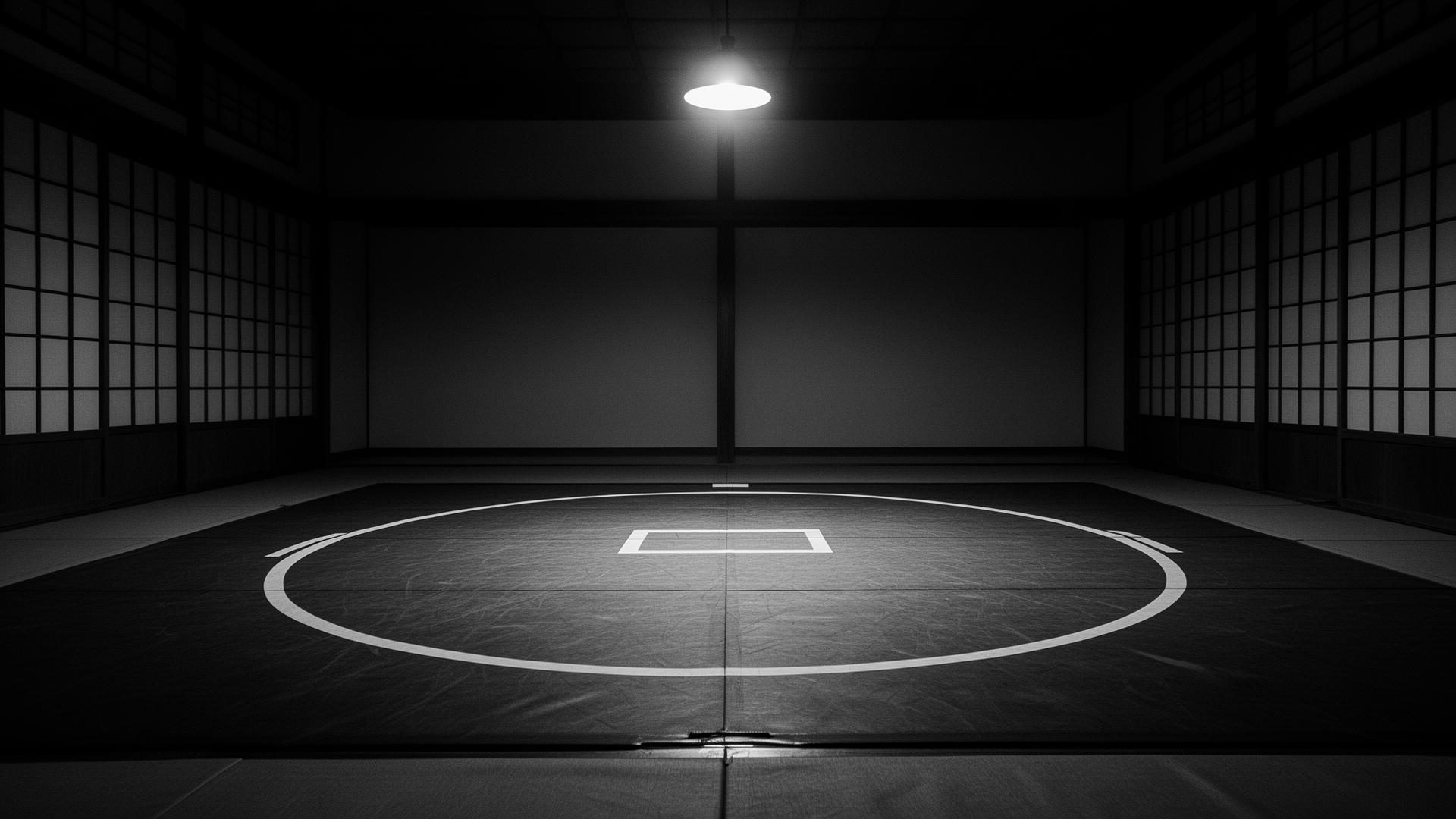


Wrestling Performance System

Most Wrestlers Train. Few Are Developed.

Rise House System is a selective wrestling development framework built around one standard: does this transfer?

The difference between training and development is structure. Rise House System is the structure — built from real international wrestling experience, delivered as one precise method.

The Difference

Effort is not the problem. Structure is.

01

Activity is not the same as development.

+

Most wrestling environments accumulate sessions, tournaments, fatigue, and volume — then present that accumulation as proof of work. Under pressure, accumulated activity disappears. What remains is only what has been structured, selected, repeated, and tested.

02

Volume is not the same as selection.

+

Training is volume. Development is selection. Not every technique earns its place. Not every conditioning method transfers. Not every competition serves the athlete's development. The discipline of the system is what is chosen, repeated, refined, and removed.

03

Effort is not the same as architecture.

+

Most athletes do not lack effort. They lack the system that turns effort into development. Training is activity; development is architecture — sequenced preparation, correction, refinement, pressure-testing, and transfer to competition.

The difference between training and development is structure. Rise House exists to organize the work that actually transfers.

Technique Philosophy

Technique Is Position, Not Inventory.

Technical development at Rise House is not a library of moves. It is command of position — stance, timing, pressure, reaction, and the structural adjustments that determine whether a position holds or collapses under competitive conditions.

In serious wrestling environments, mastery is built through sustained attention to the details inside positions.

Those details are rarely visible to casual observation.At high levels, they decide everything.
The System

Built around the components that carry into competition.

01+

Position

Where real wrestling begins.

Technique is not a collection of moves. It is a system of positions, mechanics, and responses built through thousands of precise repetitions. At Rise House, athletes develop structural control in stance, precision in attack, and composure in defense.

Operating principle —Technique is position, not inventory.

02+

Timing

The difference between position and finish.

A wrestler can know the right technique and still miss the moment. Timing is trained as entry recognition, reaction precision, situational awareness, live wrestling, and structured repetition.

Operating principle —Position before technique. Timing converts position into finish.

03+

Strength

Built for the mat. Not the mirror.

Not all strength transfers to wrestling. Rise House applies sport-specific preparation: stance stability, pressure generation, grip strength, hand fighting capacity, finishing power, mat return ability, and structural injury resistance.

Operating principle —Transfer is the standard.

04+

Conditioning

Prepared for competition.

Wrestling conditioning is not general fitness. It is built around short explosive exchanges, repeated scrambles, sustained pressure, and recovery between efforts. Conditioning is periodized and calibrated to peak at the right moment.

Operating principle —Conditioned wrestlers can perform technically in the fourth and fifth minute.

05+

Weight Management

Planned. Not reactive.

Weight management is planned, scientific, and year-round. Body composition, nutrition, hydration, and competition preparation are structured to eliminate emergency cuts and protect physical output.

Operating principle —The week before competition should confirm preparation, not create it.

06+

Competition Strategy

Entered with purpose.

Competition is a structured phase within the development calendar, not a standalone event. Athletes prepare through opponent analysis, tactical planning, weight and energy management, and mental rehearsal. Every competition entered has a purpose.

Operating principle —Competition reveals the system.

Programs

Four structured paths. One system.

01

Wrestling Development

Build the foundation. Master the essentials.

+

Wrestling is not a collection of techniques. It is a system of positions, reactions, and decisions built through deliberate repetition and expressed under competitive pressure.

  • —Position Before Technique — technique is only as strong as the position it comes from.
  • —Structure Before Volume — development happens through organized effort, not accumulated hours.
  • —The Room Reflects the Standard — preparation is not optional; discipline is the baseline.

For athletes whose technical foundation needs to be rebuilt at the position level — not just by adding more moves.

02

Home School Elite

Daily structure for homeschool athletes built around serious development.

+

Elite development is not an increase in training volume. It is the correct organization of every component of preparation — technical, physical, psychological, and competitive.

  • —The Complete Athlete — all components built in sequence around one purpose.
  • —Standards and Accountability — defined preparation, consistent behavior, clear accountability.
  • —Built Over Time — development across full seasons through deliberate periodization.

For homeschool athletes who have structured their schedule around development and can train multiple sessions per day in focused phases.

03

Physical Preparation

Strength, power, and conditioning that transfer.

+

The weight room does not win matches. But it can build the athlete who does. Rise House Physical Preparation is built for wrestling output — not general fitness.

Core Structure
Foundation

Joints, tendons, movement quality, aerobic base, breathing.

Strength

Lower body, pulling strength, grip, core, structural robustness.

Power

Plyometrics, jumps, med-ball throws, sled work, contrast training.

Conditioning

Match rhythm, repeated scrambles, sustained pressure, recovery between efforts.

Peak / Taper

Lower volume, high speed, nervous system freshness, competition readiness.

Operating principle: the athlete peaks for competition, not for training.

04

Nutrition & Weight Management

Fuel performance. Control the weight.

+

A failed weight cut costs more than the weight lost. It costs performance, recovery capacity, physical output, and long-term health. Rise House treats weight as preparation — not panic.

Core Structure
Body Composition

Understanding weight, lean mass, body fat, hydration, and how the body changes across training weeks.

Training-Year Nutrition

Food structure built around training load, recovery, growth, and performance — not random restriction.

Weight Class Strategy

Planning the correct class early, based on body composition, calendar, and competition rules.

Competition Week

Food, fluids, sodium, carbohydrates, sleep, and safe weight trend management.

Post Weigh-In Recovery

Refueling and rehydrating so the athlete makes weight and still wrestles with power.

Operating principle: the goal is not to make weight. The goal is to make weight and be ready to wrestle.

Fit

Built for serious athletes. Not every athlete.

The application process exists to protect the standard inside the system. Rise House is not designed for everyone who wants more training. It is designed for athletes and families ready for structured development.

Who This Is For
01

Serious Competitive Wrestlers

+

Athletes who are already working, competing, and looking for the structure that turns effort into development.

02

Committed Wrestling Families

+

Parents who are investing in the sport and want more than mat time, more tournaments, and another version of the same routine.

03

Athletes Ready for Standards

+

Wrestlers ready for accountability, planning, correction, consistency, and serious long-term development.

Who This Is Not For
01

Casual Participants

+

Athletes who want exposure to wrestling, social training, or recreational activity, but are not ready to be developed.

02

Motivation Seekers

+

Athletes looking for hype, energy, or emotional charge in place of structural work and disciplined preparation.

03

Volume Without Direction

+

Athletes or families who believe more sessions automatically create better development without selection, correction, and transfer.

What Changes
01+

Technical Transfer

What once existed only in drilling begins to appear in live wrestling.

The athlete starts carrying technique into resistance, pressure, and real competitive situations — not just clean repetitions against a cooperative partner. The gap between drilling and competing begins to close.

02+

Positional Control

The athlete becomes harder to move, harder to score on, and more stable in decisive exchanges.

Small structural details begin to hold. Angles improve. Control becomes more honest and less accidental. The athlete starts understanding where leverage lives and where it disappears.

03+

Match Conditioning

Performance begins to last deeper into difficult matches and later into the tournament day.

The athlete does not just survive fatigue better — they keep more quality inside it. Technique remains executable later in the match, and decision-making holds when the body is working hardest.

04+

Physical Readiness

Strength begins to show up where it matters.

The body becomes more useful to the wrestling — stronger in hand fighting, stance under pressure, grip across a full match, finishing when fatigued, and the structural capacity to defend and return from the mat.

05+

Weight Class Stability

The athlete competes with more clarity, less depletion, and more consistency across the season.

Weight management becomes less reactive. Performance becomes more protected. The body that walks onto the mat reflects the body that trained, instead of arriving dehydrated, weakened, or underprepared.

06+

Competitive Maturity

Preparation becomes more deliberate. Competition becomes more strategic. Results become less accidental.

The athlete enters important events with clearer objectives, better pacing, and fewer unnecessary variables. They begin to understand how to win a match — not just how to fight one.

None of this arrives all at once. But when development is structured correctly, it arrives where it matters and it holds under pressure.

Founder Standard

The standard behind the system.

The founder story is not presented as a personality brand. It is the source material behind the method: serious wrestling rooms, international preparation, and a system organized for athletes who need development that transfers.

01+

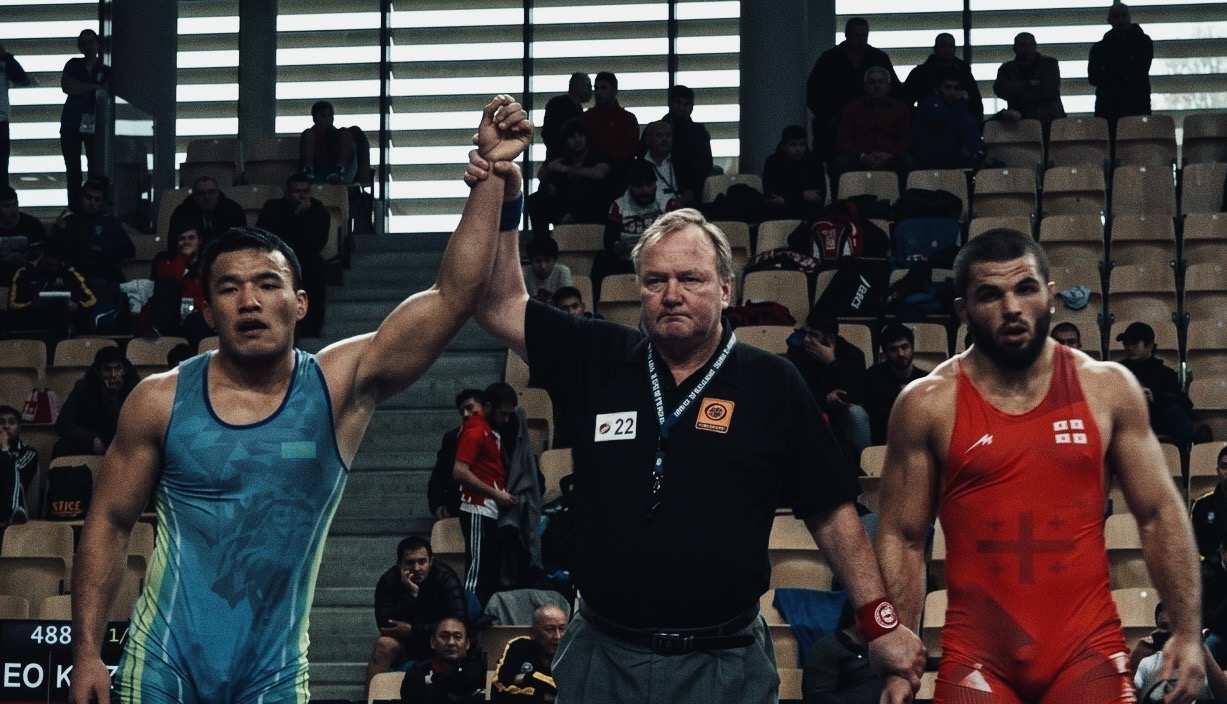
Kazakhstan National Team

Years inside a national-level environment shaped the standard for what serious preparation, daily discipline, and Olympic-cycle thinking look like.

02+

Dagestan / Russia Rooms

Pressure, depth, and constant competition taught what survives under resistance — and what disappears when training is not real enough.

03+

Japan / Yamanashi Gakuin

Japanese university wrestling added technical precision, structure, discipline, and the understanding that development is built through details repeated correctly.

04+

American Athletic Preparation

Periodization, strength and conditioning, recovery architecture, and performance nutrition organize the international experience into a teachable system.

That experience is now a system.

Rise House Mobile App

One private app for athlete development.

One app for athletes, parents, and coaches.

Rise House Mobile App is being built to give athletes, parents, and coaches one place to track training, physical preparation, weight management, competition planning, progress, accountability, and direct coach communication.

Private Athlete Development Portal

Built inside the Rise House Mobile App.

Athlete development organized through role-based access: athlete, parent, and coach.

01+

Athlete View

Training assignments, completed work, readiness check-ins, match journal, progress history, and coach chat access for questions and guidance.

02+

Parent Dashboard

Weekly summaries, attendance, coach notes, competition planning, and development visibility.

03+

Coach View

Program assignments, athlete roster, readiness flags, coach notes, video review, weekly reports, and direct coaching communication through chat.

Rise House Mobile AppAthlete View · Parent Dashboard · Coach View. Currently in development and not yet available.
Rise House Mobile App

Built to keep the development process visible.

Club members receive app access through their program. Non-members can enter through basic weight-management and physical-preparation app access for $50, including coach chat guidance.

$50

Non-Member App Access

For athletes outside the club who want basic weight-management and physical-preparation guidance: enter current weight, target class, training goal, receive structured direction inside the app, and access coach chat for guidance and questions.
01

Weight Management Protocol

Weight class strategy, nutrition structure, competition week, rehydration, and post weigh-in recovery.

02

Physical Preparation Protocol

Foundation, strength, power, conditioning, recovery, and peak / taper structure.

Add-On

Video / Match Review

Match review with coaching notes and development feedback. Additional charges may apply.

Club programs include the appropriate level of app access. Non-member access starts at $50 for basic weight-management and physical-preparation guidance, with coach chat included. Rise House Mobile App is currently in development and not yet available.

Apply

Application Only

Rise House is selective by design. The system is built for serious wrestlers and families who are ready for structured development — not more activity.

Apply for Assessment